 Videos
 Photos



EU Trade Exemptions for Armenian Agricultural Exporters: Timelines and Procedures
European Commission President Ursula von der Leyen, during her July visit to Armenia, announced that the EU would apply autonomous trade measures (ATMs) to ease Russian sanctions and support Armenia, exempting about 80% of Armenia’s exports to EU countries from customs duties.
“So, this measure will open the European doors to almost 99% of Armenia's fresh fruits, vegetables, and plants that used to be exported to Russia. And it will open the door of the European Union Single Market to more than 90% of your exports of beverages and spirits,” von der Leyen said.
Recently, EU Enlargement Commissioner Marta Kos showed on her Instagram page how she made jam with apricots brought from Armenia, linking the EU’s latest decision to support democracy in Armenia.
View this post on Instagram
“When you go to the supermarket, watch out for Armenian apricots, plums or cherries. It’s a chance to do something small that can help Armenian farmers and support their country’s democratic choice,” Kos wrote.
Against this backdrop, Armenian producers are chiefly concerned with when the new EU measures will take effect.
From Proposal to Law: Europe’s Slow Bureaucratic Process
To get an idea of realistic deadlines, it is necessary to understand how such laws and decisions are usually adopted in the EU.
On the EUR-Lex platform of official documents of the European Union, we see that the European Commission presented the legislative initiative on July 2. This proposal must go through the EU’s Ordinary Legislative Procedure (OLP).
For this initiative to become an official law, it must be discussed, debated and approved by two separate bodies: the European Parliament, which represents EU citizens, and the European Council, which is responsible for implementing EU decisions and making legislative proposals.
The proposal has already been forwarded to the European Parliament's Committee on International Trade (INTA), which discussed it for the first time on July 14. By the way, the Head of the Representation of the Republic of Armenia to the EU, Tigran Balayan, was also present for the discussion.
Typically, this committee discusses the text of the proposed initiative for months, its members propose amendments, after which the legislative initiative is sent to the European Parliament for a final plenary session vote.
The adoption of a standard EU law can take a year or more.
Fast track for Armenian exporters
The documents available in the EU official database for the draft legislation refer to Rule 58 of the Rules of Procedure of the European Parliament (Rules of Procedure EP 58).
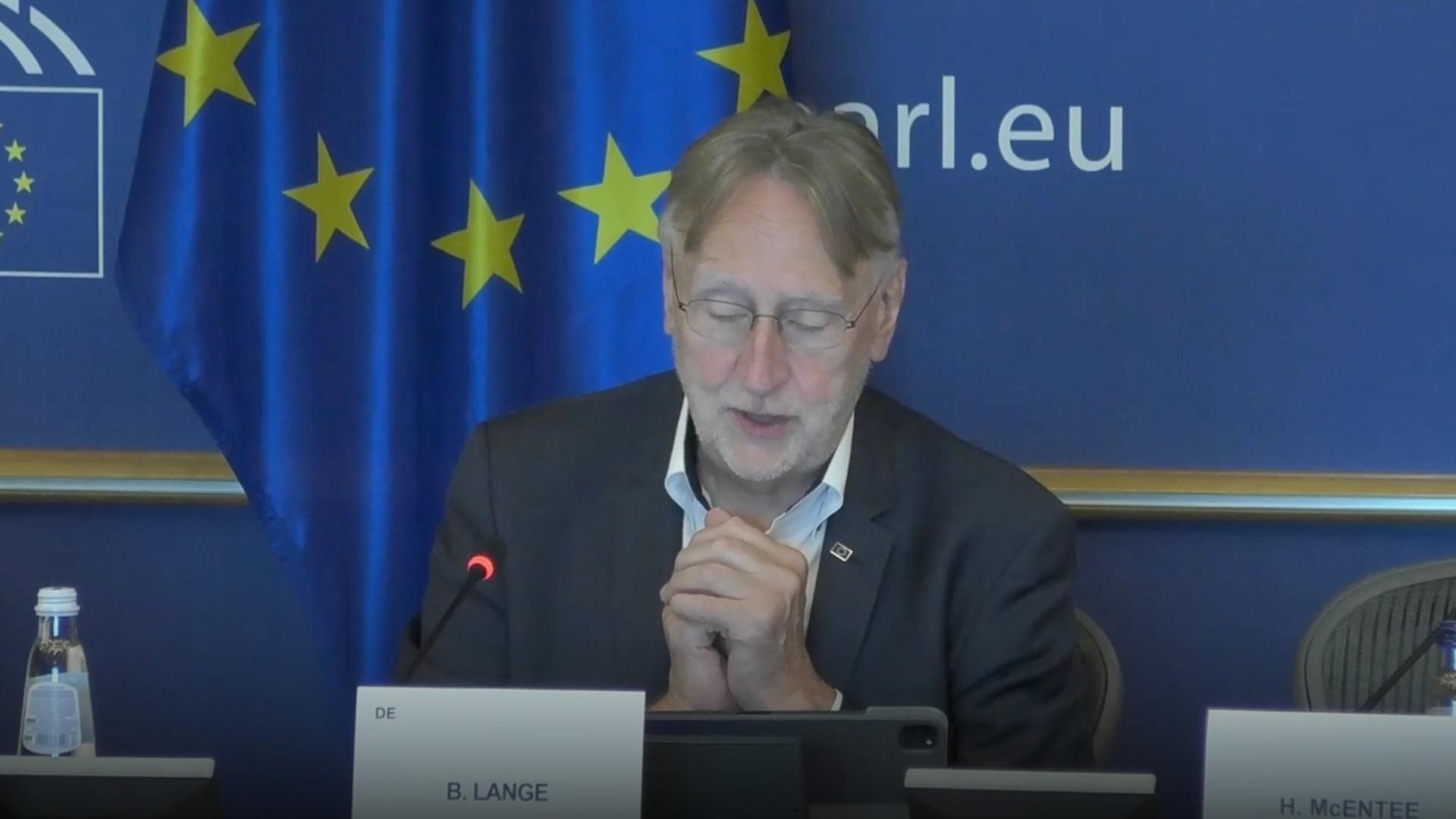
This means that the initiative will be adopted under a simplified procedure. During yesterday's meeting, the Chair of the Committee on International Trade, German MEP Bernd Lange, confirmed this.
If no political group objects until July 30, the draft is immediately sent to the plenary session for a final vote.
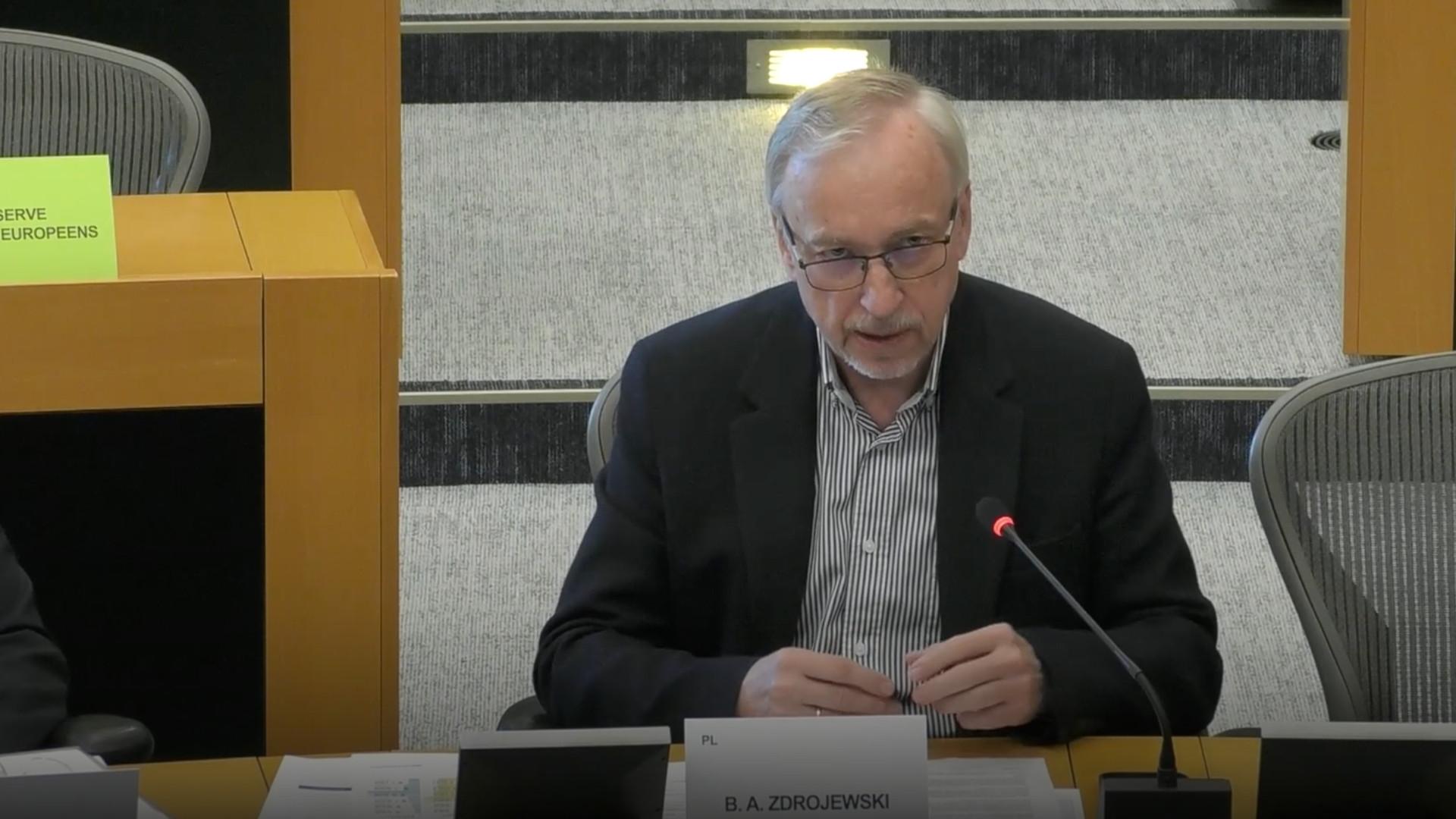
Another member of the Committee, Polish MEP Bogdan Zdrojewski, also spoke and urged the adoption of the proposal without any amendments or additions, in order to quickly assist Armenian exporters.
Apparently, Armenian exporters will not have to wait long.
Realistic deadlines
However, there is a pre-holiday atmosphere in Brussels right now. This week is the last working week of the European Parliament, employees of various European bodies and MEPs have already gone on vacation.
The next session of the European Parliament will be convened from September 14 to 17 of this year. And the dates of the final vote on the issue of concern to us will be confirmed only when the MEPs return to work.
If the discussion of the issue under the accelerated simplified procedure goes smoothly, without political obstacles, the application of autonomous trade measures against Armenia could enter into force as early as autumn 2026.
Previously, similar decisions, for example for Ukraine, were adopted under the accelerated procedure and entered into force within 3-6 months.
In the initiative document we see that these proposed measures are temporary and will be applied for two years. And in the budgetary implications section we see that the European Council has calculated that because of the abolition of customs duties, the EU will lose only 3-5 million euros in tax revenue, which is not such a large amount.
The two annexes to the initiative provide a detailed list of goods to be exempted from customs duties.
EU Quality Control
Abolishing customs duties does not mean abolishing quality standards.
As is well known, the EU has strict quality controls for imported food. Armenian agricultural products will not be able to enter the EU market if they do not comply with the EU's strict phytosanitary rules (laboratory testing, certificates, etc.).
Only those companies that have the capacity to ensure and control proper quality will be able to export agricultural products to the EU. Some of them have modernized their production and aligned it with European Union requirements through various EU programs.
The European Union has also planned training sessions on procedural and other nuances for Armenian exporters.
Photo: Prime Minister Nikol Pashinyan and European Commission President Ursula von der Leyen; Yerevan, July 7, 202 (primeminister.am)
Write a comment