 Videos
 Photos


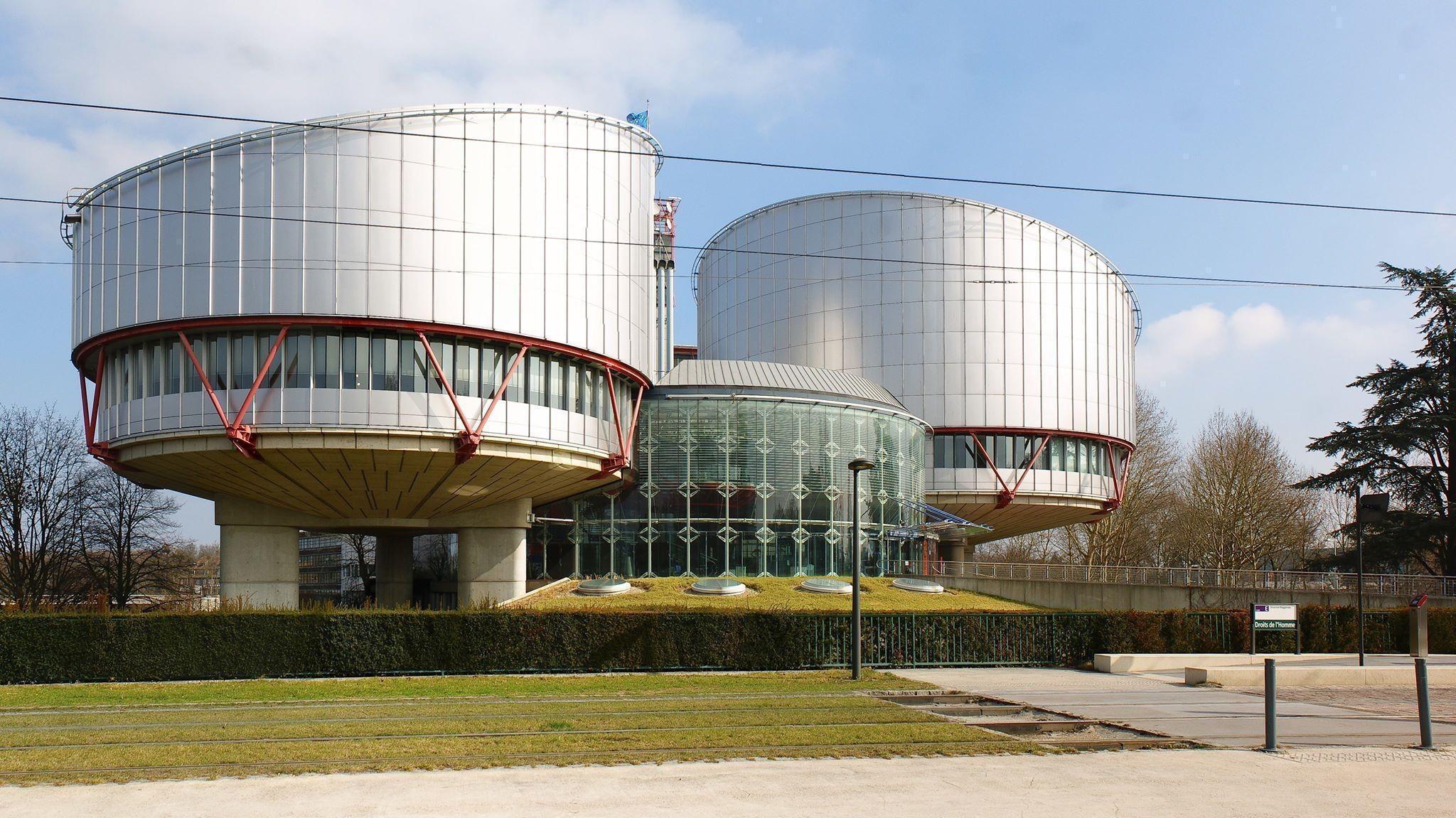
ECHR Rejects Azerbaijan's Appeal, Validating Landmark 2016 Artsakh War Atrocities Judgment
STRASBOURG — The Grand Chamber of the European Court of Human Rights (ECHR) has officially rejected an appeal by Azerbaijan, finalizing a major June 18 judgment that found Baku guilty of the torture, decapitation, and unlawful killing of an Armenian serviceman.
With the Grand Chamber’s November 2 decision to throw out Azerbaijan's complaint, the initial ruling in the case of Major Toroyan has entered into full legal force. The landmark international verdict holds the Republic of Azerbaijan legally responsible for severe human rights violations, including breaches of the right to life, the absolute prohibition of torture, and the immense psychological suffering inflicted upon the victim's surviving family members.
The 2016 Four-Day War Context
The atrocities took place during the April 2016 “Four-Day War” along the Nagorno-Karabakh line of contact that marked the heaviest fighting between Armenian and Azerbaijani forces since the 1994 ceasefire, foreshadowing the subsequent larger-scale conflicts in the region.
Ambush and Atrocities Near Talish
According to ECHR case files, the incident occurred at midday on April 2, 2016. An Armenian military truck driven by serviceman H.Gh., carrying a severely wounded officer identified in court documents as H.T., was ambushed and fired upon by Azerbaijani forces roughly one kilometer from the village of Talish.
Armenian defense forces discovered the vehicle and the victims shortly after:
- The Driver (H.Gh.): His body was found decapitated roughly 15 meters from the bullet-riddled truck on April 2. A subsequent forensic medical examination concluded that his head was severed post-mortem after he succumbed to fatal gunshot wounds.
- The Officer (H.T.): Severely wounded in the initial ambush, H.T. managed to text a fellow soldier at 11:25 AM, writing: "They shot at me." The ECHR validated the family's gut-wrenching evidence that Azerbaijani soldiers dragged H.T. from the truck alive, unlawfully executed him, and subsequently severed his head and hands. His mutilated body was found the following morning near a nearby ravine.
The ECHR firmly ruled that the family’s evidence of torture and extrajudicial killing was entirely credible. It noted that the Azerbaijani government failed to provide any "viable counter-arguments" to dispute the evidence, nor did Baku offer any explanation for highly publicized social media videos showing Azerbaijani soldiers displaying the severed body parts of the beheaded Armenian soldier.
Financial Damages and Legal Representation
The applicants in the case are the parents and sister of the serviceman, H.T. (Full names have been withheld in the ECHR judgment at the request of the individuals concerned). Their interests in court were represented by prominent attorney Ara Ghazaryan alongside human rights defenders Haykuhi Harutyunyan, Araks Melkonyan, and Artak Zeynalyan.
Under the now-finalized ECHR ruling, the government of Azerbaijan is legally mandated to pay the grieving family €90,000 in non-pecuniary damages for the flagrant violations of H.T.'s rights, as well as an additional €14,210 to cover accumulated legal costs. Baku is required to disburse the total sum within a strict three-month deadline.
Write a comment