 Videos
 Photos


Reconstruction of Gyumri's Historic Market Delayed Until 2027, Says TUMO
Armenia’s TUMO Center for Creative Technologies has pushed back the timeline for the reconstruction of the historic market in Gyumri from 2026 to the end of 2027.
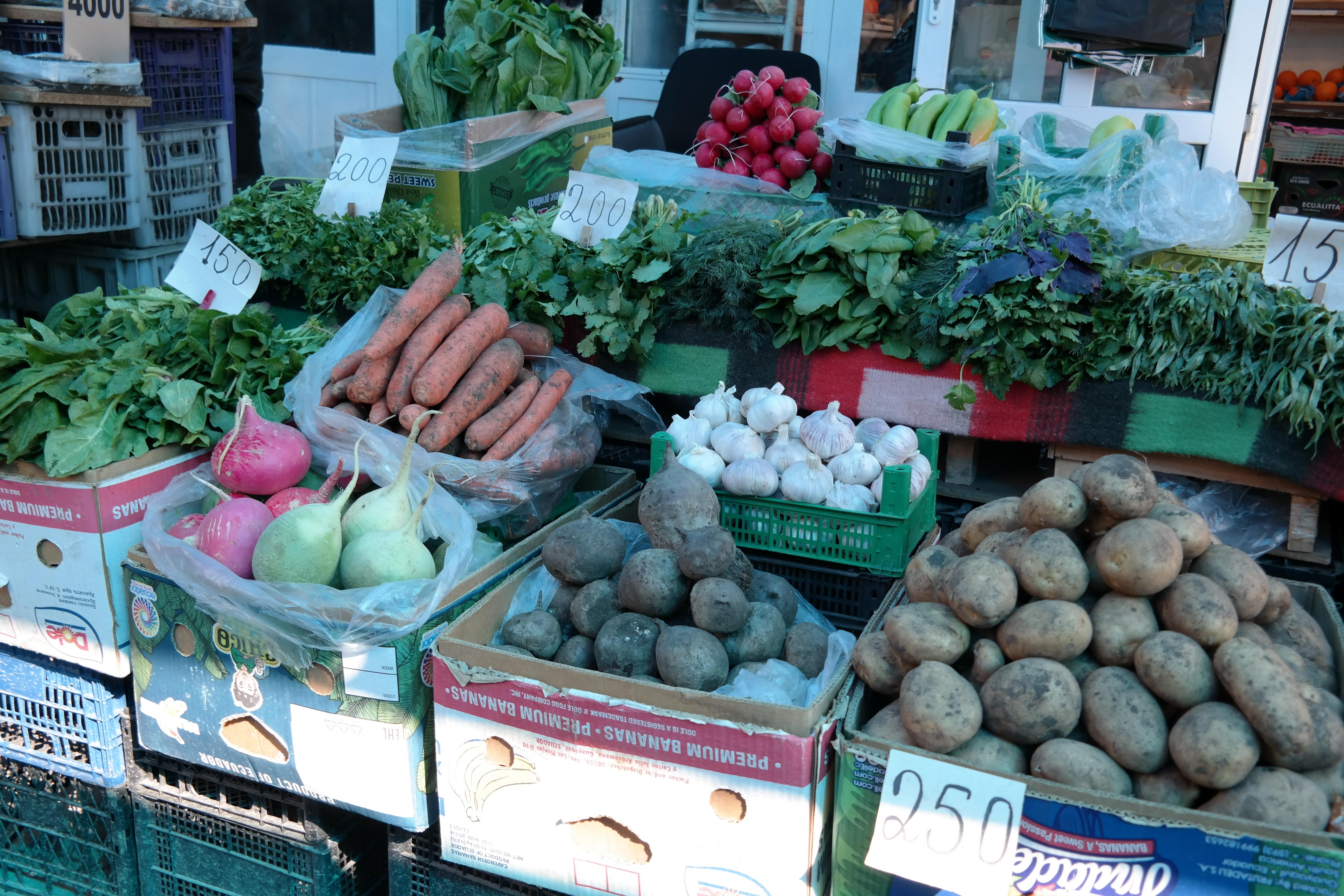
In the Soviet era, the central open-air market in Gyumri (Leninakan) was mainly intended for the sale of agricultural products ranging from meat and dairy products to canned preserves and whole-bean coffee.
Ethnographer Artashes Boyajyan says the best way to get a sense of a town, its lifestyle and character, is to visit the local market and cemetery.
Boyajyan says the Leninakan collective farm market was famous, with people travelling from Tbilisi and Baku to buy meat products, especially sausages.
“The area was clearly regulated, everyone knew where to buy greens, in which part the fruit sellers were, where to buy potatoes and cabbage. Leninakan also had a second market, near the railway station, called Artik Market." Villagers who came by train from the villages of Artik traded there,” he tells Hetq.
The buildings of the Leninakan Central Market did not suffer much damage from the 1988 earthquake. The market continued its normal operation in the 1990s, but for some reason, people began to establish trading points outside the market, in the area called the “Lachin Corridor” (it still operates today), where only a few artisan stalls operated during the Soviet years. Over the past twenty years, there have been several attempts to restore the market and ensure its former attractiveness, which were not practical, only new stalls were installed.
In 2017, when Karen Gomtsyan, the owner of the Lentex company, bought the area for reconstruction, Gyumri residents hoped that another area of crucial importance for the city would be saved, but the opposite happened.
The traders were first removed from the market area, and the area was demolished. However, the construction that had begun did not have a logical ending. The new buyer of the area, covered with the remains of half-destroyed walls and piles of garbage, was announced in 2018. It turned out that Gomtsyan had sold it to Tumo. The new owner of the market spoke about the plan to restore the market six years after the news of its purchase.
TUMO, in March 2024, announced that it would create an educational, economic, culinary and tourism center on the site of the old market as part of a long-term project implemented with EU support.
The agreement was signed between EU Ambassador Vassilis Maragos and Marie Lou Papazian, Director of the TUMO Center for Creative Technologies, at the main gates of the market. According to the agreement, the EU would allocate 2.5 million euros for the market reconstruction project. It was announced that the EU, in the initial phase of implementing this important initiative, was also joined by TUMO supporters Judith Saryan and Victor Zarougian, as well as the John and Hasmik Mgrdichian Foundation.
According to TUMO, an international architectural competition would be announced first, and construction work would begin immediately after that, by the summer of 2024. According to the plan, in addition to trade pavilions, educational spaces, cafes, handicraft and art shops would operate on the market site. The area would be able to host various festivals, fairs, etc. A culinary school would operate, where specialists from Institut Lyfe, a leading French school in the culinary arts, pastry, hospitality, and restaurant management would hold classes. Graduates would have the opportunity to continue their education in Lyon. The complete improvement and reconstruction of the area, as well as the construction of an educational center and culinary school, were scheduled for completion in 2026.
On March 20, 2026, EU Commissioner Martha Kos was in Gyumri and visited the destroyed parts of the Gyumri central market. At a briefing with journalists, the head of the TUMO Gyumri Center, Lena Karapetyan, announced that the total cost of the project is $9 million and that the design phase has already begun.
The Mouradian Studio was recognized as the winner of the architectural competition out of 150 applications, and the landscape design was entrusted to a Belgian company.
Write a comment